Science and sun at La Minerva Farm: tobacco that grows with technology
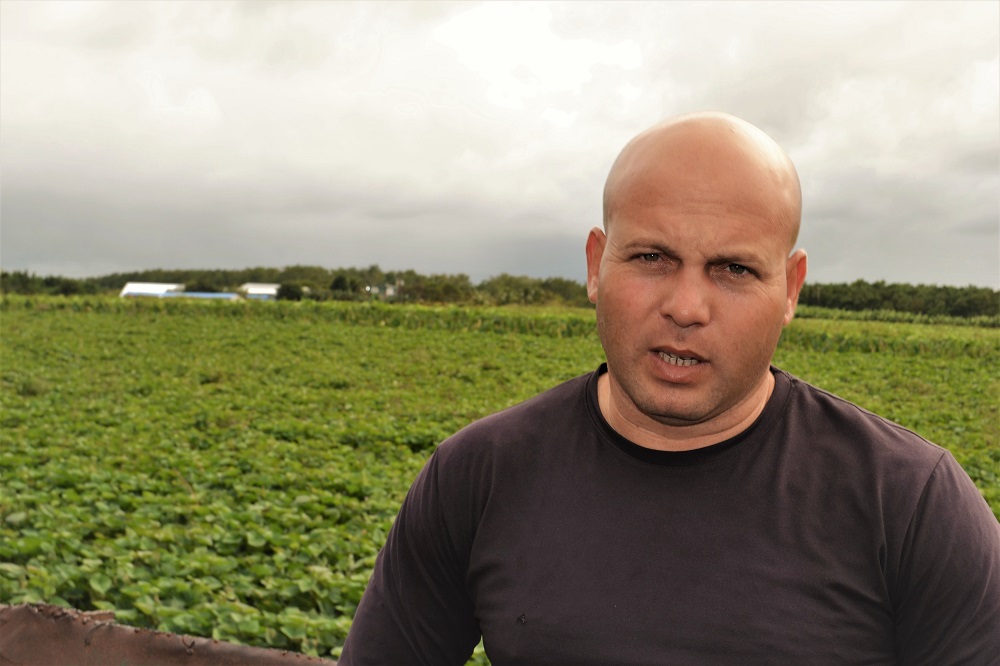
La Minerva farm in Cabaiguán municipality of Sancti Spíritus has become a tangible example of how science and technology can transform Cuban agriculture. Its owner, producer Nelson Obel González Díaz, is among the first farmers in Sancti Spíritus province to join the development program of the Tobacco Collection and Processing Company, a decision that is already yielding tangible results.
The project began from the ground up: ensuring high-quality seedling stock that would allow for the cultivation of larger areas.
“The difference an excellent seedling stock makes gives you the flexibility to plant much more land and expand your seedbeds. That’s phase one. Then comes phase two, which is planting and harvesting, where we’ve also made a significant difference because we have all the necessary machinery and tools to do things right and continue expanding our operations,” explained González Díaz.
The energy transformation has also reached La Minerva. Thanks to solar power, a photovoltaic park generates 40 kW, which provides all the farm’s electricity and powers the irrigation pumping systems.
“We have a solar irrigation system that allows us to save fuel and save energy for the country. You can irrigate the tobacco whenever you need to because the drip irrigation system works perfectly,” the producer explained.
As part of the development plan for the Sancti Spíritus tobacco company, the farm operates a sorting facility that provides employment for 24 workers. But the most significant qualitative leap lies in the controlled curing barns, a technology that has revolutionized leaf drying.
“We’re looking to improve the quality of the wrapper, which is what we’re working towards, and to extend our production a bit. Without this equipment, achieving high production is difficult because the tobacco’s lifespan is very short and traditional drying takes a long time. With the curing equipment, we dry in 19 to 22 days, and we obtain a better wrapper quality. That’s good not only for me as a producer, but for the country,” he stated.
Just over a year after embarking on this science-based development path, the numbers back up the investment. Nelson Obel González Díaz has not only seen growth in tobacco production, but has also increased his output of various crops and livestock.
“I used to be a farmer of 2 to 4 hectares. This first year, with all this technology installed, I planted 8 hectares, and next year I’m aiming for 12 hectares. I’m achieving 112% of my projected yields per hectare. I’m harvesting more than 600 export-quality bunches per hectare, and of those, more than 200 are Group 1 export grade,” the Cabaiguán farmer proudly concluded.