For a cleaner and more sovereign energy matrix
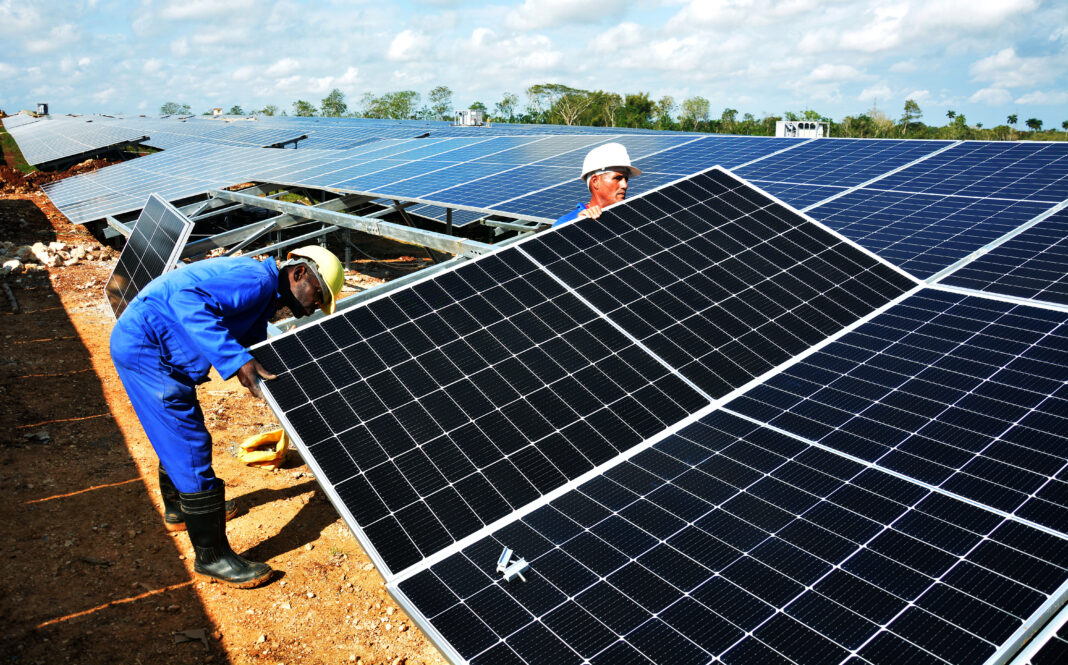 Parque Fotovoltaico instalación y Montaje
In the current context, where the intensification of the United States government’s economic, commercial, and financial blockade directly impacts the island’s fuel supply, Cuba is committed to developing renewable energy sources (RES) as a path to achieving energy sovereignty.
To this end, the country has implemented a package of measures that incentivize the participation of all economic actors in the generation and sale of electricity to the National Electric System (SEN). The province of Sancti Spíritus, true to its pioneering spirit, is preparing to take on these new challenges.
The Official Gazette of the Republic recently published Resolution No. 114, dated May 6, 2026, from the Ministry of Finance and Prices, which updates the purchase rate for energy delivered to the SEN through the use of renewable sources. This provision establishes a single rate of 90.00 Cuban pesos per kilowatt-hour (CUP/kWh) for energy purchased from both the non-residential and residential sectors, at any time of day.
The measure also exempts producers from paying the Services Tax on income derived from the sale of this energy. This aims to make investment in solar panels, wind turbines, and other clean technologies more attractive and profitable, driving the transformation of Cuba’s energy matrix and reducing dependence on imported fossil fuels. This is a significant step that transforms independent producers into strategic allies of the nation in electricity generation.
In Sancti Spíritus, the provincial Electric Company is already working on activating isolated systems and preparing the grid to integrate the energy generated by new producers. The province, which has experience in generation through photovoltaic solar parks, sees these new measures as an opportunity for residents of Sancti Spíritus, especially small and medium-sized businesses, to become active generators.
Resolution 76/2025, which updates the solar energy investment system, allows payment in dollars for generation capacity, opening up a range of possibilities for micro, small, and medium-sized enterprises (MSMEs) and self-employed workers who wish to install photovoltaic systems. This regulation is complemented by Decree 110/2024, which requires these economic actors to generate at least 50 percent of their energy consumption starting in 2028, thereby promoting self-sufficiency and efficiency.