Citizen science through the SMART Project: a pillar for biodiversity in Caguanes
The processes envisioned within the Spatial Monitoring and Reporting Tool (SMART) have moved beyond mere intentions; they are now coming to life with the fundamental goal of strengthening management effectiveness and biodiversity conservation in Caguanes National Park (PNC), located in the municipality of Yaguajay.
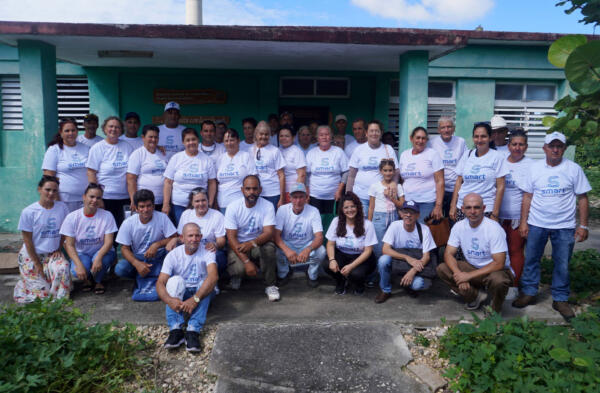
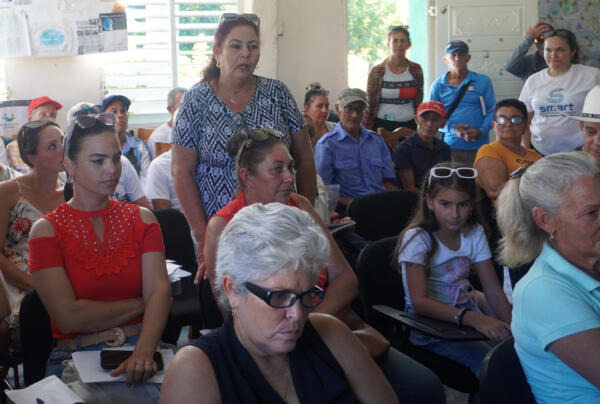
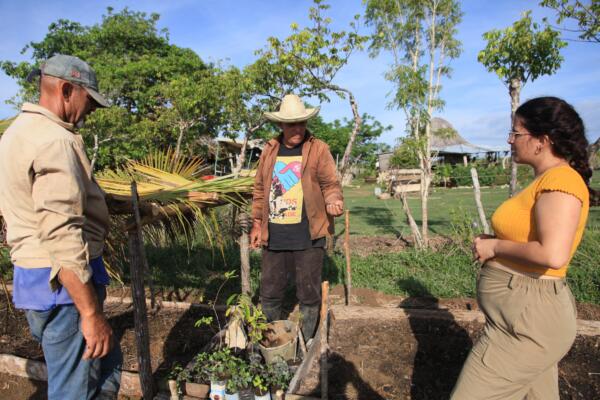
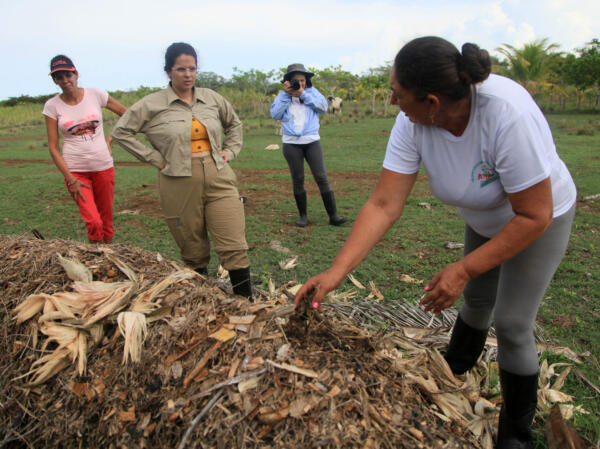
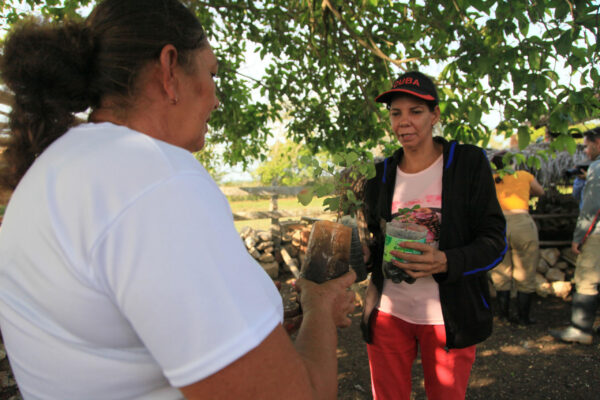
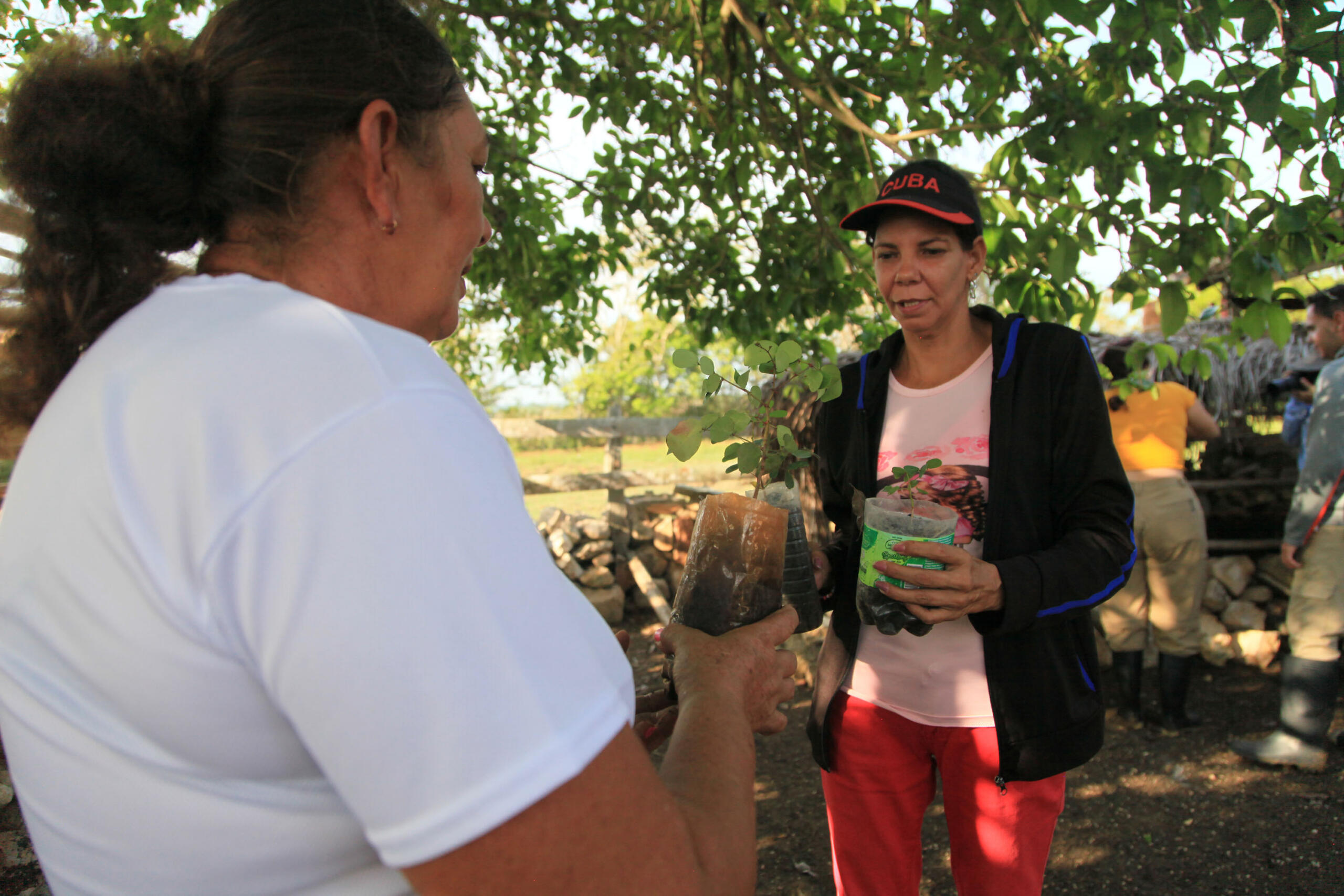
A vital pillar of this effort is “citizen science”—not merely as an additional component, but as a distinct approach that bridges new knowledge with existing experience. Training local residents—those living in communities and areas affected by the Park—serves as an essential pathway and one of the three core elements required to achieve the project’s objectives.
A key defined goal is to build capacity among local residents regarding the sustainable use of natural resources, while establishing a unified system for data collection and analysis. This enables the PNC and relevant authorities to fulfill their obligation to provide access to information and promote transparency, with a focus on the standardized monitoring of biodiversity and potential threats.
This marks the first implementation of SMART in the country’s protected areas, specifically targeting the identification of pressures—and the sources of those pressures—that pose threats to ecosystems. This includes the Park’s wetlands, along with all their constituent flora and fauna—a focus area of significant importance.
The objective is to identify the occurrence of illicit activities and human-induced pressures, while documenting the state of ecosystems and the behavior of species to detect seasonal or long-term changes. Such information is invaluable for making management programs more viable and effective.
Through this project, more than a hundred individuals—including a significant number of young people, women, and farmers—will participate in citizen science initiatives. This engagement acts as a core strength of the project, offering a wide range of benefits to both the participants and their local communities. The implementation of SMART in Caguanes National Park aligns directly with the guidelines of the National Development Plan through 2030 and “Tarea Vida” (Task Life), both of which prioritize technological innovation to strengthen the National System of Protected Areas (SNAP).