Taking care and helping others against Chikungunya
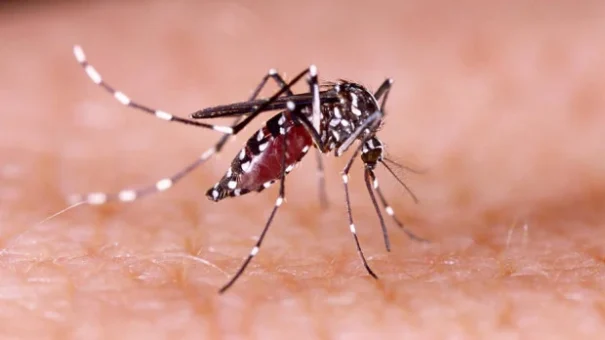
Sancti Spíritus seems to wake up and go to sleep sick. Although no official statistics confirm it, it’s hard to find any neighborhood or community that remains untouched. From one window to another, in lines, or on any street corner, everyone is talking about the same thing. Chikungunya is showing no signs of leaving anyone unscathed here.
And, according to experts, this is understandable because the speed of transmission of this virus here is like a train hurtling downhill, given the Cuban population’s lack of exposure to this disease, which found a perfect breeding ground on the island. Its only known precedent was the small and quickly controlled outbreak in Santiago de Cuba in 2014.
Without a doubt, we are experiencing the most complex epidemiological scenario since the Covid-19 pandemic. There are notable differences because, according to specialists, this arboviral disease is not very deadly, but those of us who have suffered from it know its devastating effects.
Although not everyone gets sick in the same way, nor do they all experience the same symptoms, most suffer the aftereffects of this virus that ravages joints, weakens the body, fills us with pain, and whose effects linger indefinitely for most, with even chronic consequences for many.
During the latest press conference on the epidemiological situation in the region, health authorities confirmed the existence of an epidemic here, stemming from the widespread circulation of two arboviruses currently present: dengue and chikungunya.
Although the incidence rate of dengue has decreased slightly, official statistics for both viruses are far from reflecting reality because so many people get sick and don’t seek medical attention.
Furthermore, only a handful of samples are sent to the Pedro Kourí Institute of Tropical Medicine because this highly prestigious institution lacks the capacity to confirm more diagnoses, given the widespread nature of these illnesses, in addition to its other responsibilities for other diagnoses.
However, due to the symptoms and the increase in fever cases, suspected cases are rampant in Sancti Spíritus, to the point that it seems unlikely anyone will escape these mosquito-borne diseases.
This is especially true because the dreaded Aedes aegypti mosquito maintains a high level of infestation, particularly inside homes and in their surroundings, where approximately 80 percent of the breeding sites found in the province are located.
Some actions to combat it have begun to be deployed in the territory in recent weeks, where tens of thousands of homes have already been fumigated, especially in the city of Sancti Spíritus and in Trinidad; in addition to carrying out extra-residential treatments on main streets in some municipalities.
Alongside this, medical and nursing care has been strengthened in healthcare facilities, particularly at the Pediatric Hospital; and intersectoral efforts are underway to address the deplorable state of community hygiene that is currently fueling this and other disease-carrying vectors.
In the midst of a tremendous economic crisis, with repeated power outages and shortages of everything from paracetamol to control fever and rehydration salts to essential foods that guarantee adequate nutrition, this cursed disease arrived as the final blow we needed.
Faced with this distressing reality, where we are all exposed because it is practically impossible to avoid a mosquito bite, all we can do is protect ourselves as much as possible and help others with that solidarity that distinguishes us, perhaps as the strongest anchor that has kept us alive until now.