Sancti Spíritus: Medical commitment to combat chikungunya
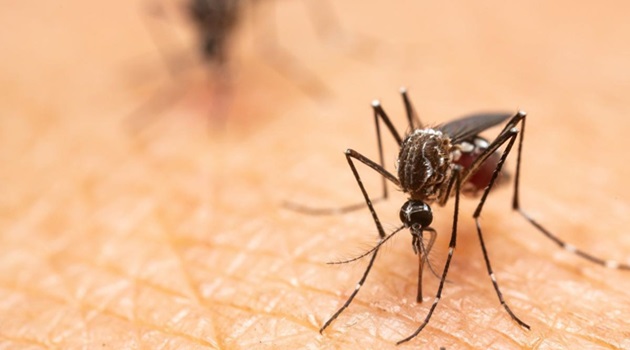
Chikungunya is an arboviral disease transmitted by mosquitoes of the Aedes genus. It has an acute phase, generally lasting about ten days, characterized by high fever and intense joint pain. However, in a percentage of patients which varies according to international studies the musculoskeletal manifestations persist for weeks, months, or even become chronic.
“Today, we speak of a post-chikungunya phase,” explains Lianet Oria Pérez, a specialist in Rheumatology. “After the first 21 days, some patients enter a chronic phase with arthritis, persistent joint pain, and, in a smaller group, inflammatory diseases that may meet the criteria for rheumatoid arthritis.”
In Sancti Spíritus, most patients who come to the clinic present with some type of joint sequela. Not all of them progress in the same way. Age, sex, pre-existing chronic conditions, and, above all, each person’s immune system all play a role.
The Provincial Rheumatology Service in Sancti Spíritus has become a crucial resource for those still suffering the aftereffects of chikungunya. Patients arrive there when the fever has subsided, but the pain persists; when the illness has ceased to be newsworthy and has become a part of their daily lives. The medical response has not been to rush to conclusions, but rather to support the process, explain clearly, adjust treatments, and sustain the best possible recovery.
More than fighting a virus which is no longer present the challenge lies in preventing its effects from becoming permanent. Each consultation aims to restore mobility, reduce dependence, and preserve the autonomy of people whose daily lives were suddenly curtailed.
Here, there is no talk of definitive solutions or instant cures. There is talk of follow-up, clinical responsibility, and compassionate care. And for those who have lived for months with debilitating and debilitating pain, knowing that there is a service that responds and listens makes a tangible difference.