New banknotes improve cash availability at bank branches in Sancti Spíritus
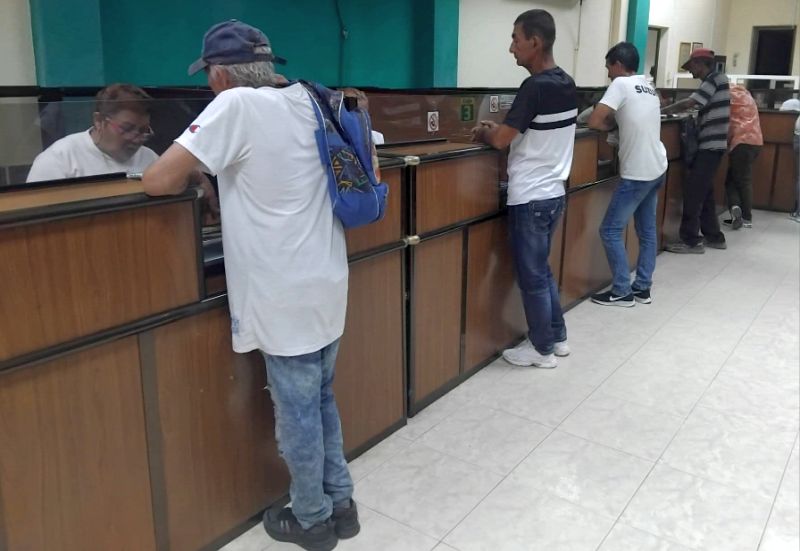
Branches of the Banco Popular de Ahorro (BPA) in Sancti Spíritus currently show better cash availability—a trend linked to increased monetary circulation in the country, and specifically to the arrival of high-denomination banknotes, reported José Couso Villarreal, head of the Business Banking Department at the BPA’s provincial office.
Couso Villarreal clarified that this improvement is not due to an increase in cash deposits made by economic actors at banking institutions, but rather to a larger inflow of cash into the system, which allows for a better response to customer demands.
“Yes, there has indeed been greater cash availability at bank branches. This is linked to the issuance of higher-denomination banknotes—not to an increase in cash deposits by economic actors. I believe cash deposits have remained more or less at the same level; I don’t see any significant increase.”
This improved cash availability has also made it possible to meet the cash requirements of farmers—a sector that needs financial resources to carry out its productive activities and fulfill its economic obligations.
“Demands are being met—including those from farmers looking to develop their businesses, which, as we know, require significant amounts of cash to pay for hired labor. These needs are being addressed, as are the requests from account holders who wish to make withdrawals. Furthermore, a coordination process is underway with economic actors to establish new, approved limits for the small-scale payments they carry out. These limits are determined based on several factors: the cash deposits an economic entity makes into its account, the funds received via online payments, the nature of their business activities, and so on.”
The new 10,000 and 20,000 Cuban peso denominations are part of an update to the national currency system—a process that also included the introduction of 2,000 and 5,000 peso banknotes.
“The 10,000 and 20,000 peso notes are already in circulation within the province and have been very well received. For instance, when it comes to paying out retirement pensions—most of which are in the 3,000 to 4,000 peso range—these larger denominations aren’t a perfect fit. However, they have been very well received for other purposes, such as paying employee salaries and meeting the cash requirements of farmers and MSMEs (micro, small, and medium-sized enterprises).”