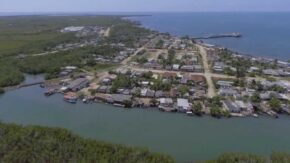
Mangroves, an essential bulwark for the Tunas de Zaza ecosystem
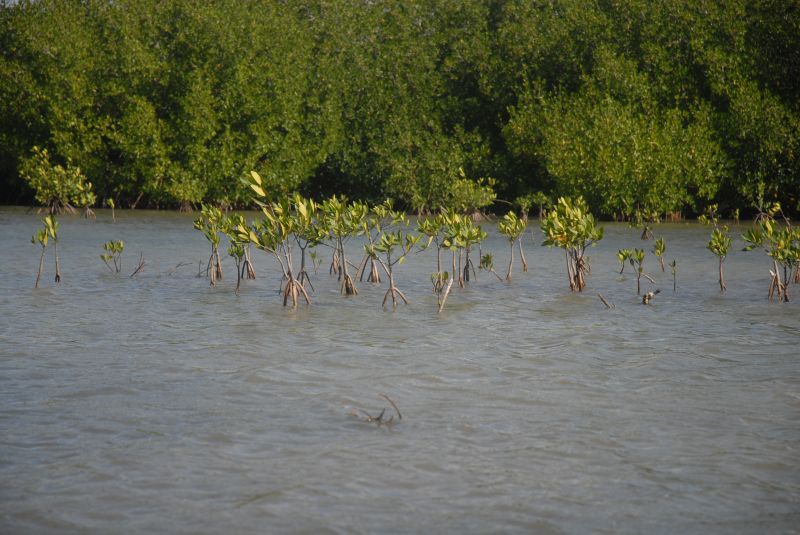
In the Tunas de Zaza Wildlife Refuge, mangrove forests predominate along the low-lying coastline, within the lagoon systems, and at the mouths of the Zaza and Tayabacoa rivers, as well as on the cays of La Boca, Zaza de Afuera, and Blanco.
These forest formations serve as a vital barrier, allowing the ecosystem to flourish.
According to conservation specialists, June marks the beginning of a favorable period for carrying out a reforestation program using the species most common to the area.
This natural buffer breaks the force of ocean waves during weather events and helps protect the nearly 130 plant species and approximately 280 animal species recorded in the area.
Joel Cruz Muñoz, a conservation specialist for the site, spoke to the press about the special protection afforded to flamingos there. “We have a lagoon within the lagoon system called Laguna del Viaducto; we built an observation point there because it is one of the lagoons with the highest concentration of flamingos. That is where we focus all our efforts.”