Eriel Sánchez takes on the challenge of managing in Nicaraguan professional baseball
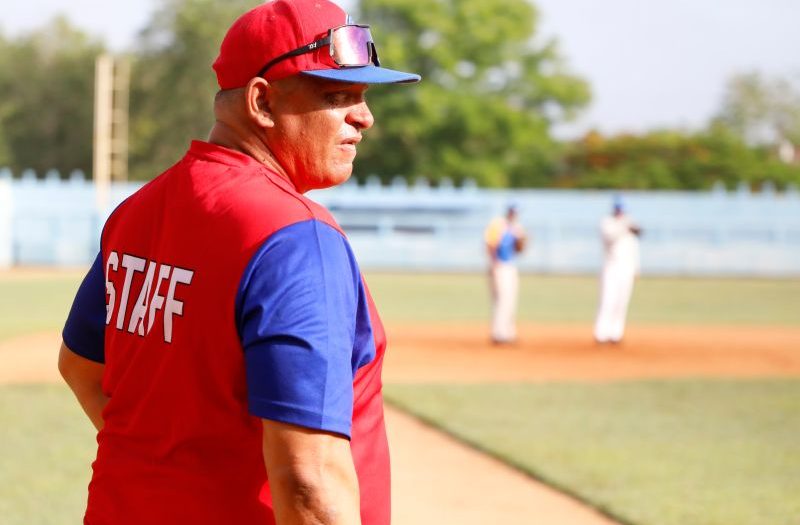
Eriel Sánchez León has arrived in Nicaragua, where he will take the helm of the Tigres de Chinandega franchise for the country’s professional championship, starting in early December.
Shortly before his departure, we spoke about this new challenge—one that places him back in the media spotlight, marking a shift in his status following the sanctions imposed after an incident with commissioner Miguel Rojas at the José Antonio Huelga stadium—an event that still weighs on him. “The fact that another country would consider me to manage a baseball team—and a professional one at that—is highly significant to me. On a personal level, it’s gratifying and fills me with pride, but it also brings a great sense of responsibility. It’s a demanding challenge, but I’ve always enjoyed challenges; they allow you to test yourself and see what you’re made of. Plus, it’s something I’m already familiar with: baseball.”
Managing within a baseball environment he hasn’t experienced from the inside presents another challenge for Eriel. “Yes, it’s a tough challenge. My commitment—and my goal—is to get the team to qualify and compete; that’s something you assess, evaluate, and strive to achieve by any means necessary. In this case, the task is to lift the team out of the cellar and get them to where they’ve always wanted to be.”
Eriel Sánchez’s hiring has received the green light from the National Baseball Commission. “There haven’t been any issues, because, as everyone knows, I am not currently active within the Cuban competitive baseball system. I am, however, a baseball coach, and I belong to the Santiago Espíritu Baseball Academy.” In reality, this is an employment contract—much like any ordinary citizen might secure—that offers the individual the opportunity to work elsewhere, in another country, provided there is no legal restriction in place that prohibits them from traveling abroad.
Nicaragua was aware of the incident, its repercussions, and the subsequent sanction. Even so, the trust placed in their new manager carried more weight. “Elsa, you live with a conscience that’s always a bit troubled—because, as I told you in that interview back when it happened, I never wanted any of that to take place. I retract—a thousand times over—every moment of what occurred; it shouldn’t have happened with a colleague. It’s also very gratifying that, when another country approached me for this position, they took the time to investigate the full scope of the incident. The fact that, following that investigation, they concluded I was still fit to do the job suggests that I’m not as deeply culpable as it might seem. It appears they took into account that these were things that happened in the heat of the moment between two colleagues—things that simply crossed the boundaries of friendship.”
From being sanctioned to becoming a manager in professional baseball—is this a reward from life? “I wouldn’t call it a reward; when you make a mistake, nothing that follows can really be seen as a ‘reward.’ I see this as an opportunity—a chance to recognize that one must exercise greater caution and take more proactive measures to ensure such things don’t happen again. Being given this new opportunity serves as a valuable lesson.”