Preventing diabetes: one day at a time
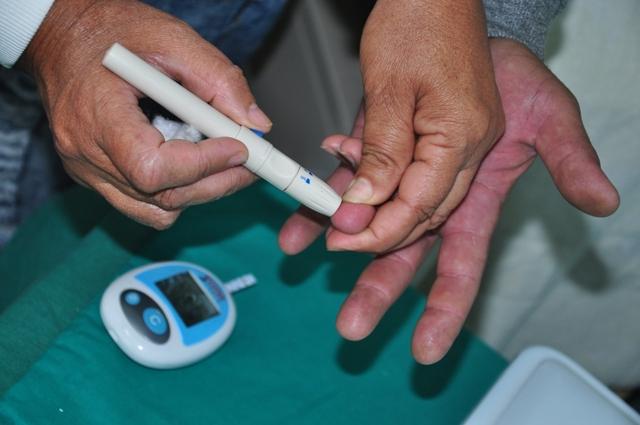
Every year on November 14, World Diabetes Day invites us to examine our habits and consider what changes we can make to protect our health. It is not just about medication; prevention also begins in the kitchen and through physical self-care. While not all forms of diabetes can be prevented, it is possible to reduce the risk of developing type 2 diabetes—or to delay its onset—by adopting healthy habits.
Applying these recommendations to daily life requires taking your personal circumstances into account; the goal is to make the most of available opportunities and sustain small changes, always under the guidance of healthcare professionals.
A practical step is to reduce the sugar added to coffee, soft drinks, and other beverages. This can be done gradually, allowing your palate to adjust to less sweet flavors. Whenever possible, choose plain water over sugary drinks, and opt for whole fruit rather than fruit juice—as juices also contain free sugars, even when no extra sugar has been added.
Whenever you have access to them, incorporating beans, vegetables, and fruits helps diversify your diet and increase fiber intake. A salad or a serving of legumes can easily complement a meal, without the need for expensive or imported ingredients. It is also wise to practice portion control and avoid having large amounts of rice, bread, and starchy staples all in the same meal. The idea is not to ban the foods you regularly eat, but rather to combine them more effectively and cut back on excessive fried foods, sweets, and fats.
Brisk walking, dancing at home, or cycling are all ways to incorporate movement into your daily routine. For adults, the World Health Organization recommends at least 150 minutes of moderate physical activity per week—for example, 30 minutes a day, five days a week. If you haven’t exercised in a while, you can start with short sessions and gradually increase the duration. It also helps to get up and move around after long periods of sitting.
Maintaining a healthy weight helps reduce the risk of type 2 diabetes, but this does not mean skipping meals or chasing quick results. Extreme diets and overly restrictive, unsustainable eating plans should not replace a balanced diet. It is better to focus on habits such as eating reasonable portion sizes, reducing sugar intake, and staying physically active. If you are overweight, a healthcare professional can provide guidance on the best approach for your specific situation.
Smoking also increases your risk. Quitting is an important part of prevention—even though people often only consider its impact on the lungs.
This November 14th, the best message isn’t to promise absolute protection, but rather to remember that every sustained change can help lower the risk of developing diabetes.