The Sancti Spíritus Conservator’s Office takes an in depth look at the city’s historic center
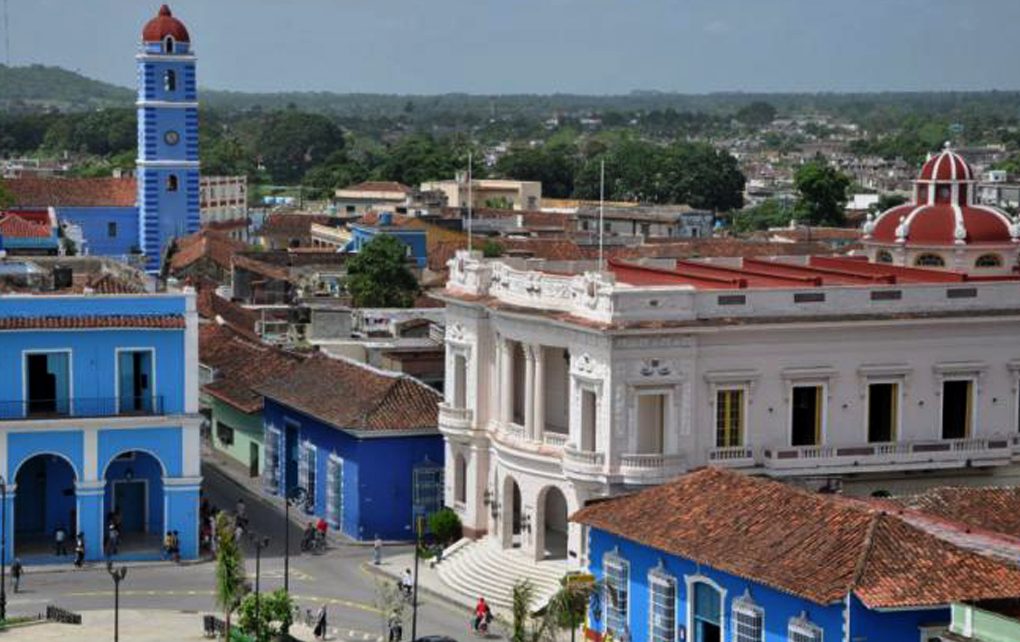
To dream of tomorrow, one must examine every detail of today. Mindful of this principle, specialists from the Office of the Conservator of the Heritage City of Sancti Spíritus are scrutinizing and uncovering specific characteristics currently visible in the historic center of Cuba’s fourth-founded town.
Yanina Wong Franco, a specialist at the office, explains that they are “conducting a survey across various homes—specifically targeting residents and those working in state institutions located within the city’s historic center. This assessment includes a profile of the population living in the historic district.”
This undertaking—which demands hours of dialogue, looking beyond surface appearances, and interpreting realities—will pave the way for the creation of a Special Comprehensive Development Plan. According to the office’s documentation, this innovative planning instrument incorporates tools for land-use and urban planning, as well as for the comprehensive development of the historic center. It aims to ensure holistic, prosperous, and sustainable development by positioning culture as the central axis of progress and placing the human being at the heart of the rehabilitation efforts.
“It will subsequently help us formulate proposals for the Office’s work, as well as for the various age groups and the activities that can be planned for them.”
Data gathered through surveys is cross-referenced with on-site findings when assessing the value of the structures. “The questionnaire currently being administered describes the buildings within the heritage zone in terms of their architectural styles and levels of protection. This allows us to prioritize the conservation of these various properties.
“Site visits have also revealed construction-related violations and illegalities committed by both individuals and legal entities; these actions are contributing to the loss of architectural and environmental value in the historic center’s buildings.”
Right before the eyes of the historic city of Yayabo, architectural and environmental assets have been lost due to human actions—whether intentional or not. Among the city’s heritage treasures most affected are roofs, eaves, murals, and other distinctive architectural details.
To reverse this situation, the work of the agency leading the assessment is crucial: informing, advising, and educating the public to ensure that all construction work on buildings within this urban fabric complies with established conservation standards.
“This work is vital, as it will enable us to map out the strategy the office will follow over the next five years.”
Recognized in December 2018 via Decree No. 346 in the Official Gazette of the Republic of Cuba, the agency is charged not only with overseeing heritage preservation, conservation, and restoration—as well as sustainable cultural, social, physical, and economic development—but also with safeguarding the city’s intangible spirit.
The most recent example of how their specialized work goes beyond mere structural improvements can be found at the Céspedes house (167 South) in Yayabo, where a family has finally put behind them the sleepless nights spent fearing their roof might collapse on top of them.