On Gases and Inflammable Misinformation
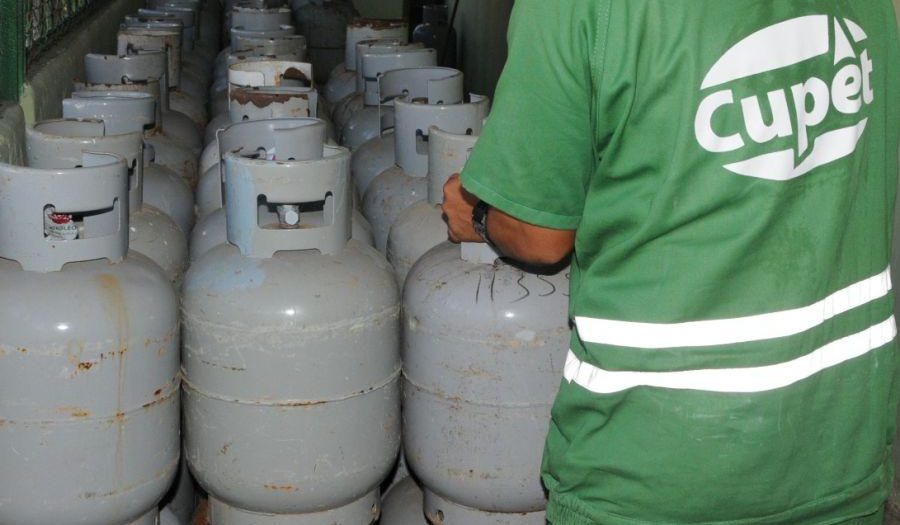
This situation has been unfolding for months. The misinformation surrounding this vital fuel is just as volatile as the liquefied gas itself.
Ever since the distribution of the product was halted last year a consequence of the intensified measures linked to the U.S. blockade against Cuba any explanation regarding when sales might resume also vanished.
However, the gas only truly evaporated from CUPET’s official communications. On the informal and illegal market, gas cylinders were sold at exorbitant prices—hovering around 70,000 pesos in Sancti Spíritus—right out in the open and on social media, with sellers acting with total impunity.
More recently, gas sales in dollars via overseas platforms appeared in the country, promoted through social media. Although most people do not possess dollars—since wages are not paid in that currency—this sparked interest among those with access to the foreign currency through relatives abroad; yet, to date, there has been no clarification as to whether this type of trade is permitted in Sancti Spíritus, as it is in other provinces.
A recent incident in Sancti Spíritus—specifically on the outskirts of the Colón neighborhood in the provincial capital—fueled the rumor mill and speculation. A makeshift sales point appeared, offering gas cylinders for 28,000 pesos: 14,000 pesos payable upon arrival at the site and the remaining 14,000 after the transaction was completed.
However, the sale raised suspicions because the transaction was being stamped onto the official ration card issued by the local Fuel Marketing Company. This led many residents to question the extent of state involvement in selling gas at such high prices, especially given that liquefied gas sales had been suspended at the city’s eight authorized distribution points since October of last year.
Since no clarification or information was provided—despite my own efforts to obtain it from authorized official sources—the rumor spread rapidly. Days later, I learned that the operation was illegal and was taking place at a location lacking the necessary technical and safety requirements for handling gas sales.
Recently, a statement from CUPET published in official media further stoked doubts; it lacked details on how the new gas prices—announced in the Republic’s *Official Gazette*—would actually be implemented.
The statement explained that the price update aligns rates more closely with actual costs and expenses—a move that is understandable in an inflationary context. In fact, I do not consider the price of 350 Cuban pesos for a 10 kg cylinder to be the most expensive item sold in Cuba, especially when compared to other staggering rates.