A pact of trust between the people and the State in Cuba
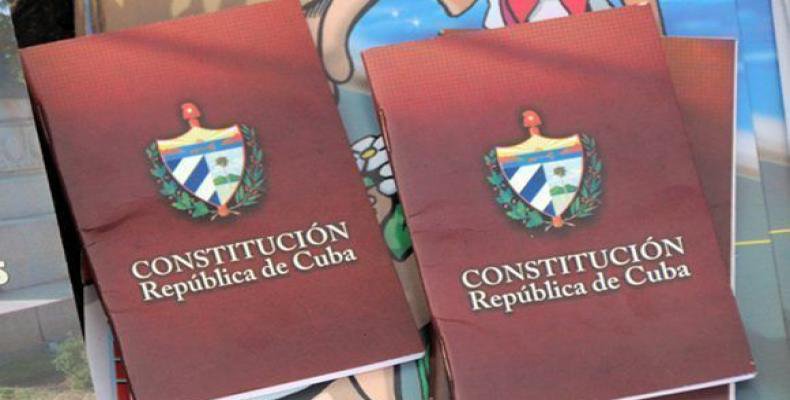
On February 24, 2019, Cuba promulgated a new Constitution, marking a milestone in the country’s institutional history. Seven years after that event, the anniversary of the Magna Carta invites reflection on the progress, challenges, and prospects surrounding its implementation, especially regarding citizens’ rights and mechanisms for popular participation.
The 2019 Constitution was the result of a broad process of popular consultation, in which millions of Cubans participated through debates in neighborhoods, workplaces, and universities. This democratic exercise allowed the final text to reflect the aspirations of society and reaffirm essential principles such as national independence, the socialist character of the political system, and the centrality of the people as protagonists of public life.
One of the most significant aspects of the new Constitution is the expansion of the catalog of rights. Guarantees related to equality, non-discrimination, freedom of thought and expression, as well as economic, social, and cultural rights, are more clearly recognized. The Constitution also incorporates the right to legal defense and establishes mechanisms for the protection of citizens against potential violations.
In recent years, concrete steps have been taken to realize these rights. The approval of complementary laws, such as the Family Code in 2022, has been an example of how the Constitution serves as a foundation for advancing equity and inclusion. Likewise, the institutions responsible for ensuring compliance with constitutional guarantees have been strengthened, although challenges remain regarding the effectiveness of the redress mechanisms and the legal awareness of the population.